


|
Chemically Resistant PP Foam Cross-linked Polypropylene Foam For Construction
Product Details:
| Place of Origin: | Guangdong, China |
| Brand Name: | EKKOFLEX |
| Certification: | ISO 9001:2015, RoHS, REACH |
| Model Number: | IXPP-CON-08 |
Payment & Shipping Terms:
| Minimum Order Quantity: | 100 Square Meters |
|---|---|
| Price: | USD 1.0-4.0 / Square Meter |
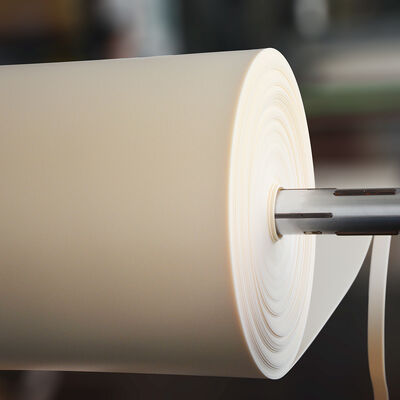
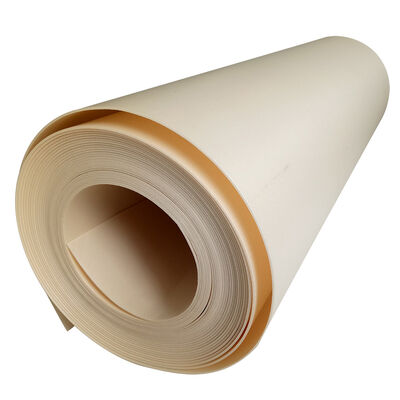
| Packaging Details: | PE film wrapped rolls with kraft paper protection |
| Delivery Time: | 7-10 working days for stock, 15-20 days for production |
| Payment Terms: | T/T,L/C,PayPal |
| Supply Ability: | 50000 Square Meters per Month |
|
Detail Information |
|||
| Material: | IXPP (Physically Cross-Linked Polypropylene Foam) | Production Process: | Electron Beam Irradiation Crosslinking + High-Temperature Foaming |
|---|---|---|---|
| Foam Structure: | Independent Closed Cell (closed Cell Rate > 98%) | Expansion Ratio: | 5-30 Times |
| Density: | 30-200 Kg/m³ (GB/T6343) | Thickness: | 0.5-100mm (single & Multi-layer) |
| Thermal Conductivity: | < 0.036 W/m·K | Max Service Temperature: | 120°C Long-term, Stable Up To 130°C |
| Chemical Resistance: | Acids, Alkalis, Salts, Oils (ISO 1817, Volume Change < 2%) | Tensile Strength: | ≥ 3.5 MPa Longitudinal (GB/T6344) |
| Elongation At Break: | ≥ 320% Longitudinal (GB/T6344) | Water Absorption: | ≤ 2% (GB/T1034) |
| Water Vapor Transmission Rate: | < 0.05 G/(m²·24h) (ASTM E96) | Flame Retardant: | UL94 HF-1 / GB 8410 |
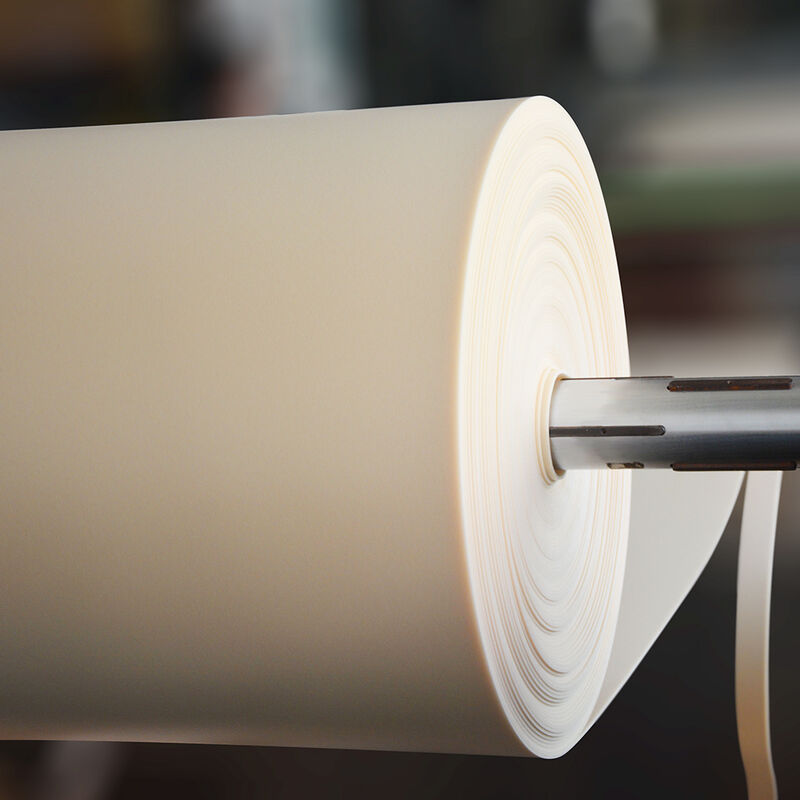
| VOC Emission: | ≤ 50 μgC/g (VDA 278) | Roll Size: | Width 500-1500mm, Up To 200m Length |
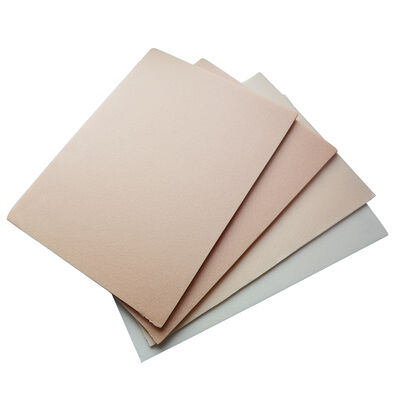
| Sheet Size: | 1000x2000mm, 1200x2400mm, Custom Size | Color: | White, Black, Grey, Flesh Color, Custom Colors |
| Highlight: | chemically resistant PP foam,cross-linked polypropylene foam,construction insulation foam |
||
Product Description
Chemically resistant PP foam (cross-linked polypropylene foam) engineered for demanding construction applications. IXPP foam is produced through electron beam irradiation crosslinking and high-temperature foaming of polypropylene resin, delivering outstanding chemical resistance, high heat resistance (up to 120-140°C), low density for lightweight structures, and excellent recyclability for sustainable building envelopes, expansion joints, underlayments, and industrial construction systems.

- Excellent Chemical Resistance: Resistant to dilute acids, alkalis, salts, oils, and common construction chemicals (ISO 1817), ideal for aggressive environments.
- Waterproof & Moisture Resistant: Closed cell rate over 98%, water absorption ≤ 2% (GB/T1034), prevents moisture intrusion and protects building structures.
- Thermal Insulation: Low thermal conductivity < 0.036 W/m·K, improves building energy efficiency and reduces heating/cooling costs.
- High Heat Resistance: Withstands temperatures up to 120-140°C, ideal for roofing systems, engine compartments, and high-heat industrial environments.
- Dimensional Stability: Size change rate ≤ 5% at 120°C/1h (GB/T8811), low thermal shrinking, reliable long-term performance.
- Lightweight & Easy to Fabricate: Easy to cut, thermoform, laminate, and bond on-site; reduces installation labor and structural load.
- Eco-Friendly & Recyclable: 100% recyclable, low-odor, minimal VOC emissions (VDA 278), flame retardant UL94 HF-1, compliant with REACH and RoHS.
- Compression Resistance & Resilience: Strong cushioning and rebound performance under long-term static and dynamic loads, ideal for structural underlayment and sealing strips.
| Expansion Ratio | 5x | 10x | 15x | 20x | 25x | 30x |
| Density (kg/m³) | 200±25 | 100±10 | 66±7 | 50±5 | 40±5 | 33.3±3 |
| Tensile Strength Longitudinal (MPa) | ≥ 3.5 | ≥ 1.5 | ≥ 1.2 | ≥ 0.9 | ≥ 0.7 | ≥ 0.3 |
| Elongation Longitudinal (%) | ≥ 320 | ≥ 270 | ≥ 260 | ≥ 220 | ≥ 210 | ≥ 200 |
| Tearing Strength Longitudinal (kN/m) | ≥ 18 | ≥ 9 | ≥ 9 | ≥ 7 | ≥ 5 | ≥ 3 |
| Water Absorption (%) | ≤ 2 | ≤ 4 | ≤ 4 | ≤ 4 | ≤ 5 | ≤ 5 |
Construction & Industrial: Building thermal insulation and underlayment, expansion joint fillers, foundation moisture barriers, roofing insulation, industrial floor cushioning, wall cavity insulation, acoustic insulation for commercial buildings, bridge and tunnel construction pads, sealing strips, pipe wrapping, and chemical plant pipe insulation.
Automotive: Dashboards, door panels and door liners, consoles, decorative surfaces, seat cushioning layers, trunk liners, flooring underlay, car hood heat and sound insulation, engine compartment insulation and vibration damping, and EV battery module protection.
Electronics & Home Appliances: Insulation pads, shock-absorbing packaging, and internal structural insulation for appliances.
| Chemical Medium | Concentration | Resistance Rating |
| Sulfuric Acid | Dilute (≤ 30%) | Excellent |
| Hydrochloric Acid | Dilute (≤ 10%) | Excellent |
| Sodium Hydroxide | Dilute (≤ 30%) | Excellent |
| Sodium Chloride (Salt Water) | Saturated | Excellent |
| Engine Oil / Lubricants | Immersion | Excellent (volume change < 2%) |
| Construction Chemicals (cement slurry, lime) | Contact | Good - Excellent |
| Common Solvents (alcohol, mild detergents) | Contact | Good |
Ratings based on ISO 1817 immersion testing and GB/T 11547 chemical resistance evaluation. Custom formulation available for aggressive chemical environments.
- Expansion Joint Filler: High compressive resilience and low water absorption make IXPP foam an ideal filler for concrete expansion joints, accommodating thermal movement without degradation.
- Foundation & Below-Grade Protection: Closed cell structure blocks soil moisture and aggressive groundwater chemicals, protecting foundation waterproofing membranes.
- Roof & Wall Insulation: Low thermal conductivity and dimensional stability at 120°C support long-term energy performance in roofing and cavity wall systems.
- Acoustic Floor Underlayment: Sound insulation ≥ 30 dB (ISO 10140-2) reduces impact noise transmission between building floors.
- On-Site Fabrication: Easy to cut with standard tools, thermoformable, and bondable with common construction adhesives; available in rolls, sheets, and custom die-cut shapes.
- Durability: Resistant to freeze-thaw cycles, UV-stable when laminated, and unaffected by cement, lime, and typical construction site chemicals.
- 60% Lighter: IXPP foam is approximately 60% lighter than ordinary interior materials, directly supporting vehicle weight reduction and fuel efficiency.
- Lower Carbon Footprint: PP foam material improves the CO2 index by more than 40% compared with PVC foam material, supporting greener automotive manufacturing.
- Superior Surface Performance: Compared with TPO foam, IXPP offers better scratch resistance and compression recovery for long-lasting interior surfaces.
- Thermal Stability: Use temperature up to 130°C, suitable for dashboards and sun-exposed interior areas.
- High Processing Efficiency: Advanced thermoforming and lamination technology enables high-efficiency production of complex interior panels.
- Low VOC: Environmentally friendly material with industry test reports confirming low VOC emissions.
Q1: What is IXPP foam?
IXPP foam, or physically cross-linked polypropylene foam, is a high-performance closed-cell material produced through electron beam irradiation crosslinking and high-temperature foaming of polypropylene resin. It offers excellent energy absorption, high temperature resistance, outstanding mechanical strength, and lightweight properties.
Q2: How chemically resistant is IXPP foam?
IXPP foam offers better chemical resistance than most other foam materials (ISO 1817, volume change < 2% when soaked in engine oil). It withstands dilute acids, alkalis, salts, and common construction chemicals, making it suitable for chemical plants, tunnels, and aggressive environments.
Q3: Can IXPP foam be used in building construction?
Yes. IXPP foam is widely used as thermal insulation underlayment, expansion joint filler, foundation moisture barrier, and acoustic insulation in commercial and industrial buildings, thanks to its waterproof closed cell structure, dimensional stability, and chemical resistance.
Q4: What is the maximum service temperature of IXPP foam?
IXPP foam has a maximum long-term service temperature of 120°C with good dimensional stability up to 130°C and low thermal shrinking rate, making it suitable for roofing systems and industrial construction near heat sources.
Q5: Does IXPP foam absorb water?
No. With a closed cell rate over 98% and water absorption ≤ 2% (GB/T1034), IXPP foam is practically waterproof, preventing moisture intrusion, freeze-thaw damage, and mold growth in building structures.
Q6: How does IXPP foam differ from IXPE foam?
While IXPE foam is based on polyethylene, IXPP foam is made from polypropylene, providing higher rigidity, heat resistance, and chemical resistance. IXPP foam also has lower odor than PE foam and better dimensional stability at elevated temperatures.
Q7: Is IXPP foam environmentally friendly?
IXPP foam is non-toxic, low-odor, and safe for consumer use. It is not biodegradable, so proper recycling or disposal is recommended. Our production process follows ISO 9001:2015, RoHS and REACH compliance to minimize environmental impact.
Q8: Can IXPP foam be thermoformed or fabricated on site?
Yes. IXPP foam is easy to cut, fabricate, thermoform, and bond. It can be compounded, die-cut, and vacuum-formed into complex shapes, and it offers good thermal weldability for on-site installation.
Q9: Can IXPP foam be customized?
Yes. IXPP foam can be manufactured in various expansion ratios (5-30x), densities (30-200 kg/m³), thicknesses (0.5-100mm), colors, and surface textures, and can be laminated or shaped to meet specific construction requirements.
Q10: Is IXPP foam recyclable?
Yes. IXPP foam is 100% recyclable (ISO 15270) with low VOC emissions and full REACH and RoHS compliance. Compared to IXPE and other foams, IXPP offers higher heat resistance and lower density, supporting lightweight and sustainable building and automotive designs.
Q11: Can IXPP foam be used in automotive and appliance applications?
Yes. IXPP foam is widely used for door liners, seat cushioning, trunk liners, flooring underlay, engine compartment insulation, and EV battery module protection in the automotive industry, as well as insulation pads and shock-absorbing packaging for electronics and home appliances.
Q12: What makes IXPP foam suitable for automotive interior surfaces?
IXPP foam is approximately 60% lighter than ordinary interior materials, improves the CO2 index by over 40% compared with PVC foam, and offers better scratch resistance and compression recovery than TPO foam. With thermal stability up to 130°C and low VOC emissions, it is widely used for dashboards, door panels, consoles, and decorative surfaces.